
Waste collection options on Holloway Road Highbury
Posted on 09/05/2026
If you live or work along Holloway Road in Highbury, waste has a habit of building up at the least convenient moment. One minute it's a few old boxes by the hallway, the next it's a broken wardrobe, garden clippings, office clutter, or a builders' pile that needs shifting before it takes over the space. The good news is that Waste collection options on Holloway Road Highbury are broader than many people realise, and choosing the right one can save you time, stress, and a fair bit of back-and-forth.
This guide breaks down the main ways to deal with rubbish and bulky waste in the area, how each option works, who it suits, and what to watch out for. Whether you are clearing a flat near Highbury Fields, managing a small office, or just trying to avoid the usual weekend waste headache, this should help you make a calmer, smarter choice. Truth be told, waste removal is rarely exciting, but it does make life noticeably easier when it's handled properly.
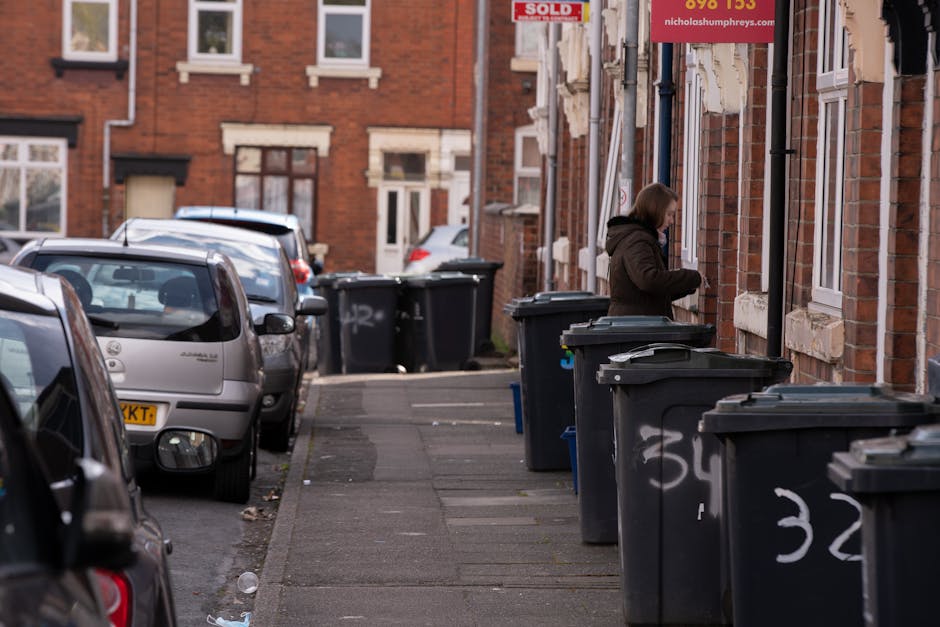
Why Waste collection options on Holloway Road Highbury Matters
Holloway Road is a busy stretch, and Highbury sits in that classic London mix of residential homes, flats, shops, offices, and smaller commercial spaces. That mix matters because waste needs are never one-size-fits-all. A family replacing furniture in a terraced house has very different needs from a cafe clearing packaging waste or a landlord dealing with end-of-tenancy clutter.
Local collection choices matter for a few straightforward reasons:
- Space is limited. Many properties in the area do not have generous storage for accumulated rubbish.
- Access can be awkward. Tight entrances, shared hallways, and busy pavements can make DIY removal harder than it looks.
- Timing is everything. In a place that's always moving, people often need quick collection rather than waiting days.
- Different waste types need different handling. General rubbish, garden waste, bulky furniture, and builders' debris all have their own quirks.
There's also the practical side: leaving waste sitting around tends to snowball. A small pile becomes a bigger job, then a more expensive one, and somehow it always seems to happen on the day you already have too much on. A sensible waste collection plan keeps things under control before they become messy or costly.
For households and businesses looking for a broader service view, the services overview is a useful place to understand how different collection types fit together. If you're in the middle of a move or renovation, you may also find the local advice in this Highbury neighbourhood guide useful for understanding the area's pace and property mix.
How Waste collection options on Holloway Road Highbury Works
At a practical level, waste collection usually follows the same broad pattern: you identify what needs removing, choose the right service, arrange a collection time, and make sure the waste is accessible. Simple enough in theory. In real life, the details matter.
Here is how the process often works for local collection jobs:
- Sort the waste by type. Separate general rubbish, recyclables, furniture, green waste, and construction debris where possible.
- Estimate the volume. Is it one item, a few bags, a room full, or a full property clearance?
- Check access. Think about stairs, narrow hallways, parking, and whether items can be carried out easily.
- Choose the right collection route. That might be a same-day rubbish collection, a specialist clearance, or a more targeted service such as furniture or garden waste removal.
- Confirm what can and cannot be taken. Some items need special handling, especially if they are hazardous or electrical.
- Book a time that suits the property. This is especially important for offices, landlords, and busy households.
For many people on Holloway Road, the big decision is whether to use council-led disposal, a private collection service, or a more tailored clearance option. Councils are useful for certain bulky items and scheduled services, but they may not always offer the speed or flexibility people need. Private waste collection can be a better fit when timing, access, or mixed waste makes things more complicated.
If the job involves moving out an entire flat, inherited contents, or a workplace refresh, services like house clearance in Highbury or office clearance in Highbury are often more suitable than a basic one-off pickup. For smaller, everyday loads, a local rubbish collection may be all you need.
Key Benefits and Practical Advantages
There are a few real advantages to having flexible waste collection options on Holloway Road, and they go beyond simple tidiness.
1. Faster space recovery
The most obvious benefit is getting your space back quickly. That spare room full of boxes or the hallway stacked with furniture suddenly becomes usable again. Which, frankly, can feel like a small victory when your week's already full.
2. Less disruption
With the right collection arranged, you avoid repeated trips to a disposal site, lifting heavy items into a small vehicle, and trying to work around rubbish in a busy property. For flats and shared buildings, that reduced disruption is often reason enough to book a service.
3. Better sorting and recycling
Professional collection can make it easier to separate items for reuse, recycling, or responsible disposal. If sustainability matters to you, it's worth checking how the provider handles sorting and onward processing. The page on recycling and sustainability gives a helpful sense of the approach.
4. Safer handling of heavy or awkward items
Bulky wardrobes, sofas, broken appliances, and builder's rubble are not exactly pleasant to drag down a staircase. A proper collection reduces the risk of damage and injury. Not glamorous, but very useful.
5. Better fit for local living patterns
Holloway Road and surrounding Highbury streets are busy, lived-in, and often tight on storage. Collection services that can work around real-life access issues are simply more practical than trying to do everything yourself.
Practical takeaway: the best waste collection option is usually the one that fits your waste type, access constraints, and timing needs - not just the cheapest one on paper.
Who This Is For and When It Makes Sense
Waste collection along Holloway Road Highbury makes sense for a wide range of people, and the use cases are broader than many expect.
Homeowners and tenants
If you are decluttering, replacing furniture, or emptying a loft, a direct collection can save a whole day of effort. A couple of bulky items might only need a small pickup, while a fuller property reset may suit a more complete clearance.
Landlords and letting agents
End-of-tenancy rubbish, abandoned furniture, and left-behind odds and ends can slow down re-marketing. In that situation, speed and reliability matter. The local pages on buying or selling property in Highbury and property purchase tips for Highbury may be useful if you are also working around a move or sale.
Businesses and offices
Shops, clinics, studios, and offices often need discreet removals for old desks, packaging, archive material, or redundant fittings. In those cases, a planned collection helps avoid messy downtime and keeps the premises looking professional.
Builders, decorators, and trades
Renovation waste is its own category. Plasterboard, timber, tiles, and mixed debris can build up quickly, especially on smaller residential jobs. For that, builders waste disposal in Highbury is the more suitable route.
Gardeners and homeowners with outdoor space
Cuttings, branches, soil, and broken outdoor items are not ideal to leave lying around, especially after a weekend prune. A dedicated garden waste removal service can be a cleaner, easier answer.
If you are unsure whether you need a full clearance or just a one-off pickup, start by asking a simple question: what is the actual problem I need solved? The answer usually points you in the right direction.
Step-by-Step Guidance
If you want the process to go smoothly, a little preparation helps a lot. You do not need to overthink it, but a few sensible steps make the collection faster and cleaner.
- Walk the property and list the waste. Make a rough note of everything going out. One bag? Two wardrobes? Half a loft? It helps more than you'd think.
- Separate reusable or recyclable items. Put aside anything that could be donated, repurposed, or recycled.
- Check for restricted items. Some waste types need special treatment, so flag these early rather than on collection day.
- Measure access points. Stairs, lifts, narrow landings, parking spaces - all the boring little things that become important very quickly.
- Choose the right service level. Small load, bulky item, house clearance, office clearance, or builder's waste. Match the job to the service.
- Ask about sorting and disposal. It is sensible to understand what happens to the waste after it leaves your property.
- Book a convenient collection window. If neighbours, staff, or tenants are involved, pick a time that reduces disruption.
- Leave the items accessible. The easier the pickup, the smoother the job. Sometimes the difference is just moving a sofa from the back room to the front hall.
A quick example: if you are clearing a one-bedroom flat near Holloway Road after a tenant move-out, you may need a mix of bagged rubbish, a mattress, and a broken table. That could be handled as a small clearance rather than several separate trips. Simple, neat, done.
Expert Tips for Better Results
Here's where small decisions make a surprising difference.
Be honest about volume
People often underestimate how much waste they have. A few bagged items can turn into a van-load once they're gathered together. Take a fresh look before booking, not just a glance over your shoulder from the doorway.
Keep mixed waste under control
Mixed loads are fine in many situations, but too much mixing can slow sorting. If you can safely group wood, metal, cardboard, green waste, and general rubbish separately, do it.
Prioritise access
On busy streets like Holloway Road, access can be more of a challenge than the waste itself. Parking, loading, and stair access all affect how quickly a collection can happen. Tell the provider the awkward bits upfront. Saves everyone the awkward shuffle later.
Think about timing around neighbours and business hours
Early morning, school-run hours, and late evening slots can all create friction. If you are in a shared building, it is worth choosing a collection time that keeps things calm and predictable.
Use the right service for the right job
Furniture removal is not the same as garden waste, and office clearance is not the same as a loft empty-out. Matching the service properly usually improves price, speed, and outcome.
For example, if you are clearing old beds and wardrobes, a dedicated furniture disposal service in Highbury is usually more appropriate than a general callout. Likewise, loft jobs often benefit from loft clearance support because access and sorting tend to be trickier than they first appear.
And yes, sometimes the simplest tip is the best one: keep a bin bag and marker pen handy before you start. It sounds almost too obvious. But on a cluttered Tuesday morning, obvious is good.

Common Mistakes to Avoid
Most waste collection problems are avoidable. The mistakes below are common, but easy to sidestep once you know what to look for.
- Leaving everything until the last minute. That usually means more stress and fewer options.
- Not checking access in advance. If a vehicle cannot get near the property, the job becomes slower and more complicated.
- Mixing restricted items into general rubbish. This can create delays and possible extra handling requirements.
- Booking the wrong service type. A house clearance is not the same as a single-item pickup.
- Assuming all waste is handled the same way. Recycling, reuse, and disposal all have different routes.
- Forgetting about neighbours, tenants, or staff. A collection that blocks access or creates noise at the wrong time can be irritating for everyone.
One of the quieter mistakes is failing to ask for clarity on what is included. Does the service cover loading, sorting, and disposal? Are there item restrictions? What happens if the volume is a bit higher than expected? These are not dramatic questions, just useful ones.
Tools, Resources and Recommendations
You do not need a truckload of equipment to prepare for collection, but a few basic tools make things easier.
- Heavy-duty bin bags for general rubbish and light mixed waste.
- Labels or tape to mark items for recycling, donation, or disposal.
- Gloves for handling dusty, sharp, or awkward items.
- Trolley or sack barrow if you are moving heavier loads short distances.
- Measuring tape for checking furniture or access points.
- Camera phone to photograph the waste load if you want to explain it clearly when requesting a quote.
As for useful online resources, the following can help you compare needs, understand service boundaries, or plan the next step:
- Pricing and quotes for understanding how collection estimates are typically approached.
- About the company if you want a better sense of who is handling your waste.
- Insurance and safety information to check how care and accountability are handled.
- Rubbish clearance near Highbury Fields explained if your needs are tied to the immediate local area.
For a busy household or small business, that handful of details is often enough to turn a messy task into a manageable one. Nothing fancy. Just practical.
Law, Compliance, Standards, or Best Practice
Waste disposal in the UK is not something to treat casually. While the exact rules depend on the waste type and the service used, there are some widely recognised best practices worth keeping in mind.
First, use a provider that can demonstrate responsible handling of waste. That means clear processes for collection, transport, and disposal or recycling. Second, be cautious with items that may require specialist treatment, such as electrical goods, bulky construction waste, or anything potentially hazardous. Third, do not assume that a casual low-cost removal offer automatically means compliant disposal. If the arrangement sounds vague, that is usually a reason to slow down.
For property owners, landlords, and business managers, there is also a reputational angle. Waste left in communal areas, bins overflowing, or materials dumped irresponsibly can create complaints quickly. In a busy area like Holloway Road, people notice these things. Quite quickly, actually.
Responsible operators should also work with sensible standards around safety, access, and transparency. If you want to review the company's approach to trust and process, the site's terms and conditions and privacy policy can be useful reference points, alongside the payment and security page.
Best practice in plain English: know what you're handing over, understand how it will be handled, and keep a record of the key details. That is usually enough to stay on the right side of common-sense compliance.
Options, Methods, or Comparison Table
Different waste collection methods suit different situations. Here's a straightforward comparison to help you decide.
| Option | Best for | Strengths | Limitations |
|---|---|---|---|
| Council-style bulky waste collection | Occasional larger items | Simple for basic requests, familiar process | May be less flexible on timing, item types, and access |
| Private rubbish collection | Bagged waste, mixed small loads, quicker turnaround | Flexible, fast, convenient for homes and small businesses | Needs a clear description of the load and access |
| House clearance | Whole rooms, properties, probate, end-of-tenancy jobs | Good for larger, more complex clear-outs | More planning needed than a simple pickup |
| Office clearance | Desks, chairs, archived clutter, office refits | Useful for business continuity and tidy handovers | Needs coordination with staff and building access |
| Specialist builders' waste disposal | Renovation debris, timber, rubble, mixed site waste | Better handling of construction-related materials | May involve more specific sorting and load planning |
| Furniture disposal | Bulky household items | Quick, targeted, less hassle than moving items yourself | Heavy or awkward items still need access support |
If you are comparing routes, think first about volume, then urgency, then access. That order tends to stop people from overbuying or underplanning. Handy little rule of thumb.
Case Study or Real-World Example
Consider a fairly ordinary Highbury scenario. A couple are moving from a flat off Holloway Road into a slightly larger place nearby. Over time, they have collected a broken dining chair, a tired sofa, two bags of loft bits, and a pile of packaging from the move itself. They do not need a full house clearance, but the waste is too much for the regular bins.
At first, they think about doing it themselves. Then they remember the stairs, the awkward sofa corner, and the fact that parking around the road is rarely forgiving. So they choose a mixed rubbish collection instead. The items are grouped before the visit, the access is explained in advance, and the job is done in one go.
What made the difference? Not magic. Just good matching of the waste type to the right service. That's really the whole game. If they had booked a general pickup without mentioning the sofa and loft items, the process might have been more cumbersome. If they had booked a full clearance, they might have paid for more than they needed. The sweet spot sat in the middle.
That kind of decision comes up all the time around Highbury. A small office on a side street might need old filing cabinets removed after a refurb. A landlord might need bedding and appliances taken after a tenancy ends. A homeowner may just want the garden waste gone before Sunday lunch. Different needs, different answer. Simple, but not always obvious in the moment.
Practical Checklist
Use this quick checklist before booking any waste collection in the Holloway Road and Highbury area:
- Have I identified exactly what needs removing?
- Is it general rubbish, furniture, garden waste, office waste, or builders' debris?
- Have I estimated the volume honestly?
- Do I know whether any items need special handling?
- Is access easy enough for safe collection?
- Have I checked parking, stairs, lifts, or shared entrances?
- Do I need same-day, next-day, or flexible scheduling?
- Have I separated anything reusable or recyclable?
- Do I understand what is included in the quote?
- Have I chosen the right service page for my needs?
If you are dealing with a bigger clear-out, it can also help to review the relevant service in advance, whether that is waste clearance in Highbury for a broader job or a more specific route such as house clearance or office clearance.
Conclusion
Waste collection on Holloway Road Highbury is not really about rubbish alone. It is about keeping homes, businesses, and shared spaces usable in a part of London where room is at a premium and schedules are already full enough. The best option is the one that fits your situation: the type of waste, the access, the timing, and the level of support you actually need.
Once you look at it that way, the decision becomes much easier. Small load, bulky item, garden waste, office clearance, or a fuller property job - each has a sensible route. And the better you match the service to the job, the less hassle you'll have later. That's usually where the real value sits.
For a local, reliable next step, choose the service that matches your waste, check the practical details, and keep the process simple. That little bit of planning goes a long way, honestly.
Get a free quote today and see how much you can save.
And if today's the day you finally clear that awkward pile by the door, well, good. That little bit of space can feel like a breath of fresh air.