

Islington Council rules for rubbish disposal in Highbury
Posted on 31/07/2026
Islington Council rules for rubbish disposal in Highbury: a practical local guide
If you live, rent, own property, or manage a workplace in Highbury, rubbish disposal can feel oddly complicated for something so everyday. One bin is fine, then suddenly you have a broken chair, a few bags of flat-pack packaging, a garden cut-back, or a loft clear-out on your hands. That is where understanding the Islington Council rules for rubbish disposal in Highbury really matters. Get it right and life is simple. Get it wrong and you risk missed collections, fly-tipping headaches, or waste sitting around far longer than it should. Not ideal on a damp London morning, honestly.
This guide explains the practical side of council rubbish rules in plain English: what usually goes into regular collection, how bulky items are normally handled, where the common mistakes happen, and when a private clearance option may make more sense. You will also find a step-by-step checklist, a comparison table, and a realistic example from everyday Highbury life.
Contents
- Why Islington Council rules for rubbish disposal in Highbury Matters
- How Islington Council rules for rubbish disposal in Highbury Works
- Key Benefits and Practical Advantages
- Who This Is For and When It Makes Sense
- Step-by-Step Guidance
- Expert Tips for Better Results
- Common Mistakes to Avoid
- Tools, Resources and Recommendations
- Law, Compliance, Standards, or Best Practice
- Options, Methods, or Comparison Table
- Case Study or Real-World Example
- Practical Checklist
- Conclusion
- Frequently Asked Questions
Why Islington Council rules for rubbish disposal in Highbury Matters
At first glance, rubbish rules can feel like background admin. But in a place like Highbury, where many homes are period conversions, flats above shops, shared houses, and busy streets with limited storage, disposal rules shape day-to-day life more than people expect.
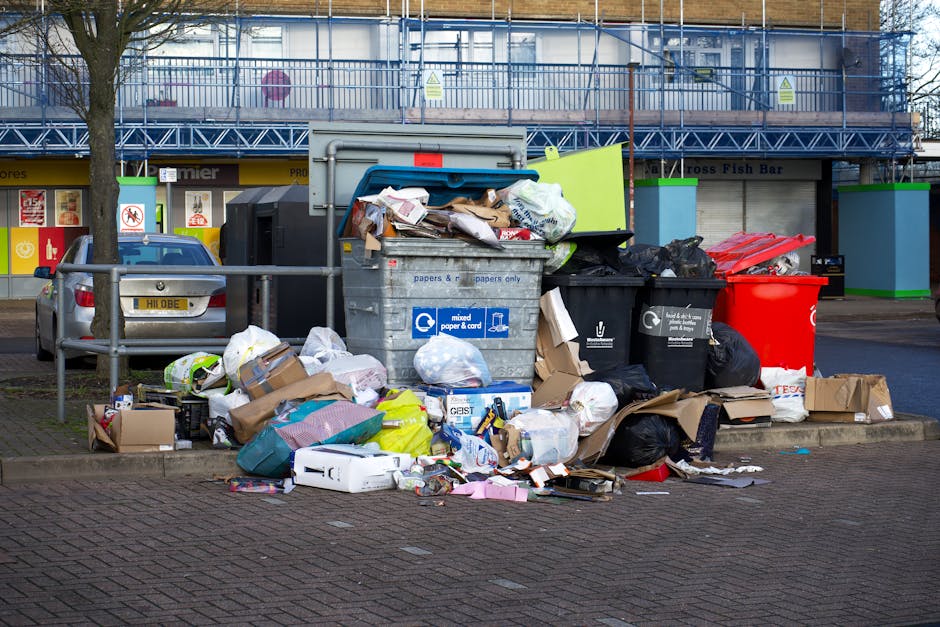
Islington Council rules for rubbish disposal in Highbury matter because they help keep pavements clear, reduce vermin attraction, avoid overloaded bins, and make sure waste ends up in the right stream. That means less contamination, fewer missed collections, and fewer awkward moments when your black bag is left beside the wheelie bin because it was overfilled. You know the scene: a neat street can start to look messy very quickly.
They also matter because disposal is not just about "getting rid of stuff." In the UK, waste duty of care principles mean householders and businesses should dispose of waste responsibly and use legitimate services. If you are clearing out a flat, refurbishing a room, or dealing with a few bulky items after a move, the rules help you decide whether it belongs in normal collection, a booked bulky uplift, a reuse stream, recycling, or a private clearance service.
For many people, the real issue is convenience versus compliance. Council collection is often the right first stop, but not always the whole answer. That is especially true for larger clear-outs, garden waste after a weekend of pruning, or building-related debris. If you want a broader view of practical disposal support, it can help to compare local options with the full service overview and then decide what fits your situation.
How Islington Council rules for rubbish disposal in Highbury Works
In practice, the system usually revolves around three things: what the council collects routinely, what needs to be booked separately, and what should not go in household bins at all.
Routine domestic waste normally includes everyday rubbish from homes, collected through the council's standard bin service. Recycling is separated where required, and items should be sorted cleanly to reduce contamination. If bins are too full, lids do not close, or the contents include the wrong material, collections can be delayed or refused. That is fairly standard across London, and Highbury is no exception.
Bulky items are where people often get stuck. A mattress, wardrobe, broken appliance, old sofa, or dismantled desk usually will not fit into normal collection. In many cases, a booked bulky waste collection or an alternative clearance service is needed. If access is tricky, such as on narrow roads or streets with limited parking, planning matters a lot more than people think. There is a useful local discussion of access and collection pain points in this Highbury Terrace access article.
Garden waste, builders' waste, office items, and loft clutter can also sit outside the normal household bin system. That does not mean the council never handles them, but the method, booking, or acceptance rules can differ. If you are dealing with a larger tidy-up, especially after decorating or moving, a specialist route may be the cleaner solution.
A useful way to think about it is this: council collections are designed for routine household waste, while special items usually need a different process. Simple enough, but easy to forget when you are standing in front of a pile of stuff at 8 p.m. with a roll of bin bags and good intentions.
Key Benefits and Practical Advantages
Following the local disposal rules properly does more than keep you on the right side of the council. There are real practical advantages, especially in Highbury where space is precious and shared properties are common.
- Cleaner kerb appeal: Waste is less likely to spill onto pavements or become an eyesore outside your home.
- Fewer missed collections: Correct sorting and presentation improve the chance of collection on schedule.
- Better recycling outcomes: Clean, separated waste is easier to recycle and less likely to be rejected.
- Less stress during moves or refurbishments: Clear rules help you plan around deadlines and access.
- Lower risk of fly-tipping issues: Proper disposal reduces the temptation to leave items "just for now."
There is another benefit people sometimes overlook: time. If you know in advance what the council will and will not take, you avoid last-minute scrambles, repeat trips, and those unfortunate moments when a hallway becomes a temporary waste depot. It happens more often than anyone likes to admit.
For residents comparing council collection to private removal, it can also help to understand the wider local waste landscape. If you are weighing up whether a one-off clearance is simpler than multiple council bookings, local rubbish collection information can help frame the decision.
Who This Is For and When It Makes Sense
This topic is relevant to far more people than just homeowners with overflowing bins. In Highbury, the typical situations are varied.
Homeowners may need guidance after renovations, garage clear-outs, or garden work. Renters often run into problems when moving out and discovering the council collection day is not aligned with tenancy deadlines. Landlords and agents need to deal with abandoned items fast, especially between tenancies. Small businesses and offices may also need separate waste arrangements when clearing desks, packaging, or obsolete equipment.
It also makes sense if you are:
- sorting out a house clearance after a move or bereavement
- disposing of a sofa, bed frame, or large wardrobe
- clearing a loft, shed, or storage cupboard
- managing garden waste after seasonal pruning
- dealing with builders' debris after light works
Sometimes the council route is perfect. Other times, it is just too slow or too limited for the size of the job. If you are clearing a property from top to bottom, the local option may need to be broader than standard household disposal. For that kind of workload, it is worth reading more about house clearance in Highbury and deciding whether a dedicated service would save time and bother.
Step-by-Step Guidance
Here is a straightforward way to handle rubbish disposal in Highbury without second-guessing yourself every five minutes.
- Identify the waste type. Separate general rubbish, recycling, bulky items, garden waste, and anything unusual such as electrical items or construction debris.
- Check whether it belongs in standard household collection. Everyday waste and properly sorted recycling are usually the easiest. If it is bulky, heavy, or awkward, assume it may need booking or a different route.
- Keep hazardous or specialist items separate. Do not mix paints, chemicals, batteries, or sharp objects with household rubbish. That is where problems start.
- Make sure access is clear. Bins, bags, or items should be easy to reach. Narrow entrances, parked cars, and shared hallways can all interfere with collection.
- Present waste properly. Use the correct containers, close lids where possible, and do not overstuff bags or bins.
- Book the right service if needed. For large or awkward waste, a booked uplift or a removal team may be the practical answer.
- Move waste out only at the right time. Leaving rubbish out too early can annoy neighbours and create a mess, especially in windy weather. London weather, as ever, likes to be unhelpful.
One helpful habit is to split disposal into "now," "book," and "separate." Things you can bin now. Things you need to book. Things that must be handled separately. That three-part approach prevents a lot of confusion.
If you are dealing with items that are too large for standard bins but still manageable, this local guide to booking bulky rubbish pickup in Highbury is useful reading before you commit to a plan.
Expert Tips for Better Results
From a practical point of view, the best waste disposal plans are usually the boring ones. And that is a compliment. Boring means organised, predictable, and not upsetting anyone.
Tip 1: Sort before you move anything outside. It sounds obvious, but once items are on the pavement or in a hallway, you lose control of the process. Separate cardboard, furniture, garden cuttings, and mixed rubbish early.
Tip 2: Think about access before collection day. Highbury properties often have shared entrances, tight stairwells, or limited parking. If the item cannot be moved safely and efficiently, disposal becomes more expensive and more stressful.
Tip 3: Keep wet waste away from dry recycling. A soggy cardboard box can ruin a stack of otherwise recyclable material. Nobody enjoys that smell either, especially in warmer months.
Tip 4: Plan disposal around your schedule, not the other way around. If you are moving out, renovating, or expecting guests, do not leave waste until the last minute. A tidy property is easier to manage, and frankly easier to breathe in.
Tip 5: Use the right method for the right volume. A few bags are not the same as a full room clear-out. For bigger projects, a dedicated clearance is often the calmer option. You can explore the practical difference by looking at waste clearance in Highbury alongside the more routine collection approach.
Truth be told, the most common issue is not the rules themselves. It is assuming that "it should be fine" when it actually needs booking, separation, or a different disposal route altogether.

Common Mistakes to Avoid
Most waste problems in Highbury come from a handful of repeat mistakes. Once you know them, they are much easier to avoid.
- Overfilling bins: Lids that will not close can cause collections to be missed or partially ignored.
- Mixing recyclables with general waste: Contamination can lead to recycling being rejected.
- Leaving bulky items out too early: This can obstruct pavements and invite complaints.
- Assuming all waste is treated the same: Garden waste, builders' waste, and office items often need different handling.
- Ignoring access issues: A collection can be delayed if crews cannot safely reach the waste.
- Putting prohibited items in household bins: Hazardous waste, sharp objects, or electrical items may require specialist handling.
One subtle mistake is underestimating how much waste you actually have. A loft tidy-up begins with "just a few boxes" and ends with three black bags, a broken lamp, an old suitcase, two bookcases, and a chair with one wobbly leg that somehow survived far too long. It happens.
If your waste is part of a larger property project, especially before sale or after a move, it can be worth reading how property moves work in Highbury so you can plan disposal alongside the rest of the timeline.
Tools, Resources and Recommendations
You do not need a complicated toolkit to manage rubbish disposal well. What you need is a little structure.
- Sorting boxes or bags: Helpful for separating recycling, general waste, and reusable items.
- Labels or marker pens: Especially useful in shared homes or offices.
- Measuring tape: Handy for bulky furniture so you can judge whether it will fit through doorways and stairwells.
- Gloves and sturdy footwear: Basic but sensible for moving awkward items.
- Notebook or phone notes: Keep track of what needs booking, what can wait, and what should be recycled.
For readers who want a service-led route rather than juggling bins and bookings, the most useful local pages are the ones that explain the different types of clearance clearly. A few worth browsing are furniture disposal in Highbury, garden waste removal in Highbury, and loft clearance in Highbury.
For trust and service standards, it is also sensible to understand how a provider handles safety, insurance, payments, and sustainability. Those details often say more than a polished sales pitch ever will. A clear insurance and safety page, for example, is a good sign that a company takes the work seriously.
Law, Compliance, Standards, or Best Practice
Waste disposal in the UK is not just a matter of convenience. Households and businesses are expected to dispose of waste responsibly and use legitimate routes. While the exact council process can change over time, the wider principles stay the same: sort waste properly, avoid contamination, do not dump items illegally, and use appropriate services for bulky or specialist items.
In practical terms, that means a few things for Highbury residents:
- Do not leave waste on the street unless it is presented according to the collection arrangement in place.
- Do not place hazardous or restricted items into ordinary household bins unless you know they are accepted.
- Do not assume bulky furniture or builders' debris will be taken with standard rubbish.
- Make sure any private waste carrier used is legitimate and can handle the waste lawfully.
Best practice is often just common sense with a compliance hat on. Keep records if you are a business. Separate recyclable materials where possible. Ensure waste is collected by authorised parties. And if a disposal job looks bigger than expected, stop and reassess rather than forcing it into the wrong collection route.
For commercial users, it is also worth looking at dedicated solutions such as office clearance in Highbury and builders' waste disposal in Highbury rather than relying on standard household collection logic.
Options, Methods, or Comparison Table
Different rubbish disposal methods suit different jobs. Here is a simple comparison to help you decide faster.
| Option | Best for | Pros | Watch-outs |
|---|---|---|---|
| Standard council collection | Everyday household waste and recycling | Simple, familiar, suitable for routine use | Limited for bulky or unusual items |
| Booked bulky waste collection | Sofas, mattresses, wardrobes, larger household items | Designed for items too large for bins | Needs booking and proper presentation |
| Private rubbish clearance | Multi-item clear-outs, access issues, urgent jobs | Fast, flexible, less lifting for you | Costs vary, so compare carefully |
| Specialist clearance | Garden waste, office waste, builders' waste, loft clearance | Better suited to specific waste types | Not every item fits one category neatly |
If you are leaning toward a private collection, it is worth comparing service clarity, pricing transparency, and booking flexibility. A local page about pricing and quotes can help you think more confidently about that choice.
Case Study or Real-World Example
Imagine a family in a Highbury flat clearing out before a move. They have two black bags of old clothes, a broken bedside table, flattened cardboard from new furniture, an old mattress, and a pile of garden trimmings from the balcony planters. On paper, it sounds manageable. In real life, it is a bit of a faff.
They start by separating what can go in normal rubbish, what belongs in recycling, and what needs a different route. The cardboard is flattened and kept dry. The old clothes are sorted into reusable and non-reusable items. The mattress and bedside table are identified as bulky items. The garden cuttings are bundled separately so they do not mix with household waste.
Now the important part: instead of trying to cram everything out for one collection, they book the right option for the bulky items and keep routine waste on its usual schedule. The result is less mess, fewer delays, and no pile of awkward furniture blocking a narrow hallway for three days. Which, to be fair, is the kind of small victory that makes a move feel much more manageable.
That is the key lesson. Once you match the waste to the right disposal method, everything becomes easier.
Practical Checklist
Use this quick checklist before you put anything out for disposal in Highbury.
- Have I identified the waste type correctly?
- Is it suitable for normal household collection?
- Do any items need booking as bulky waste?
- Have I separated recycling from general rubbish?
- Are there any hazardous or specialist items to remove first?
- Is access clear for collection day?
- Have I checked whether items need to stay inside until pickup?
- Am I sure the quantity matches the collection method I have chosen?
- Do I need a house, garden, office, or loft clearance instead?
- Have I chosen the simplest lawful route, not just the quickest-looking one?
If you can tick most of those off, you are in good shape. If not, pause and reset the plan. A five-minute rethink now can save a very annoying collection issue later.
Get a free quote today and see how much you can save.
Conclusion
Islington Council rules for rubbish disposal in Highbury are really about making everyday waste manageable, legal, and neighbour-friendly. Once you understand what belongs in regular collection, what needs booking, and what should be handled separately, the whole process becomes far less stressful.
The biggest takeaway is simple: do not guess. Match the waste to the right method, keep access clear, and be realistic about volume. That approach saves time, reduces hassle, and usually leads to a much tidier result. In a busy area like Highbury, where space is tight and routines matter, that makes a bigger difference than people expect.
And if you are standing in front of a room full of clutter wondering where to start, start small. Sort one pile, make one decision, and keep going. It rarely looks glamorous, but it works.

 Tipper Van - Waste Disposal and Waste Clearance Prices in Highbury, N5
 Luton Van - Waste Disposal and Waste Clearance Prices in Highbury, N5

