Council rubbish collection access issues on Highbury Terrace
Posted on 24/06/2026
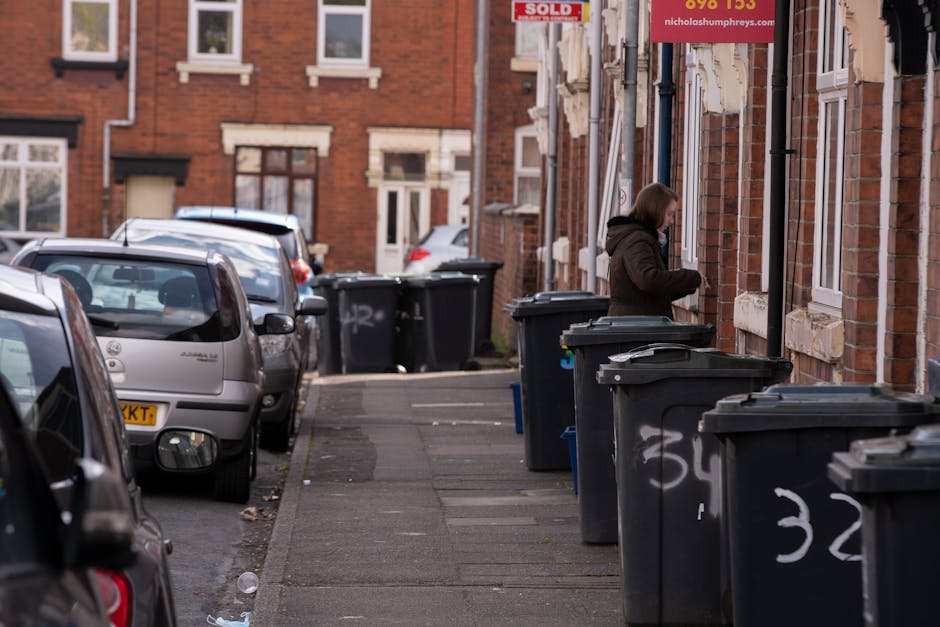
When council rubbish collection access issues on Highbury Terrace start affecting a property, the problem is rarely just "missed bins". It can mean narrow access, parked vehicles, awkward turning space, shared entrances, time pressure, or bulky waste that is hard to move safely on collection day. If you live there, manage a property there, or are helping someone clear a home nearby, the knock-on effect is very real: rubbish piles up, bin stores get messy, and simple weekly routines suddenly become a bit of a headache.
This guide breaks the issue down in plain English. You'll learn why access matters, how council collection routes typically work in tight residential streets, what practical fixes usually help, and when a professional clearance option makes more sense than waiting on the next collection. We'll keep it local, realistic, and useful. No fluff, no hand-waving.
Why Council rubbish collection access issues on Highbury Terrace matters
Access issues sound minor until collection day arrives and the crew can't safely reach the waste. On a street like Highbury Terrace, the layout of the road, the parking pattern, and the position of front doors or shared entrances can all affect whether bins are collected on time. That matters for hygiene, for neighbour relations, and for keeping the property presentable. Let's face it, nobody wants an overflowing bin bag sitting out for another week in a London street where people pass by all the time.
It also matters because access problems can create a chain reaction. One missed collection becomes two sacks by the front wall, then a smell, then pests, then a complaint. In flats or HMOs, the issue can get messy fast because one resident's rubbish becomes everyone's problem. If the building is being sold or rented, poor waste presentation can even affect first impressions. For a broader look at the appeal and day-to-day character of the area, you may find this overview of Highbury's quieter neighbourhood feel useful in context.
There is also a practical cost angle. When council access is limited, people often postpone clearing waste, but delay usually makes the job harder, not easier. Bags compact, cardboard absorbs moisture, and bulky items take up valuable hallway or garden space. If the waste has already built up, a well-planned clearance can be the cleanest reset. For residents thinking beyond the immediate collection problem, advice on considering Highbury for a new home can also be relevant, especially if waste storage and access are part of your property decision.
How Council rubbish collection access issues on Highbury Terrace works
In practical terms, council collections rely on a route that can be safely completed within a set service window. The crew needs enough room to approach the property or bin store, lift or move containers without obstruction, and exit without delays. If a parked car blocks the frontage, if bins are left behind locked gates, or if the access path is too narrow for a safe transfer, the collection may be delayed or skipped. That is usually not personal; it is simply a safety and logistics issue.
On Highbury Terrace, the challenge may show up in a few different ways:
- bins stored inside a narrow side passage or shared rear yard
- bags left on the wrong side of a gated entrance
- double parking or short-stay parking reducing kerb access
- heavy, awkward, or oversized items that cannot be carried easily
- mixed waste left in a way that makes sorting or pickup slower
Sometimes the issue is not the collection crew at all but the property setup. A terraced house may have a small frontage, a basement step, or a shared path that makes moving bins clumsy. In winter, when the pavement is wet and it's dark by late afternoon, those small inconveniences become much more noticeable. You do notice it at 7:30 a.m. with a full wheelie bin and a parked van in the way.
If the waste is not standard household rubbish, the situation gets more complicated. Builders' rubble, old furniture, loft contents, or garden cuttings may not fit normal council arrangements. For example, a renovation on Highbury Terrace may generate bags of plasterboard, timber, and packaging that need a separate disposal plan. In that case, a specialist service such as builders waste disposal in Highbury can be a more efficient route than trying to squeeze everything into a normal bin day.
Key benefits and practical advantages
Solving access problems properly does more than get bins emptied. It improves the rhythm of the property. Small things, really, but they add up.
- Cleaner kerb appeal: fewer visible bags and less clutter outside the property.
- Less stress on collection day: no last-minute scramble to move bins or chase neighbours.
- Lower risk of missed pickups: when access is clearer, collections are more consistent.
- Better use of space: hallways, bin stores, and yards stay usable.
- Improved safety: less manual lifting in awkward conditions and fewer trip hazards.
There's a subtler benefit too: better coordination. Once a household or block understands how access needs to work, it becomes much easier to plan around deliveries, house moves, or refurbishments. That matters if you are storing items before disposal. A temporary pile in the wrong place can block the whole route. If furniture is part of the issue, furniture disposal in Highbury can help when the item is too bulky for standard collection and too awkward to keep around.
And from a sustainability angle, organised collections can support better sorting and recycling. Mixed, muddy, or damaged bags are much harder to handle well. If you care about doing the job properly, the approach matters as much as the outcome. The same is true for residents managing larger clearances or house moves, where access and waste type both affect the result. For a more general look at service standards, the site's services overview gives a useful sense of the broader disposal options available locally.
Who this is for and when it makes sense
This topic is most relevant if you are in one of these situations:
- a homeowner on Highbury Terrace dealing with a narrow frontage or limited bin storage
- a tenant trying to avoid collection problems in a shared property
- a landlord or managing agent responsible for communal bins
- a family clearing out a property after a move, bereavement, or long-term declutter
- a tradesperson or renovator generating waste that won't fit the usual weekly routine
It also makes sense for anyone who has already had one missed collection and wants to prevent it happening again. That's often the point where people stop assuming the issue will fix itself. Truth be told, it usually doesn't. The environment stays the same unless someone changes the setup.
If you are moving into the area or recently bought a property nearby, access and waste management should be part of your settling-in checklist. Highbury homes can be charming, but some of the layouts are older and a bit more idiosyncratic than modern builds. If that sounds familiar, these property purchase tips for Highbury are worth a read because they touch on practical ownership details people often overlook.
For buyers and sellers, access for waste collection can even influence how tidy a property looks during viewings. A neat front area suggests the rest of the home has been cared for. That's not everything, of course, but it helps.
Step-by-step guidance
If you want to reduce council rubbish collection access issues on Highbury Terrace, work through the problem in a simple sequence. No drama. Just a sensible process.
- Identify the blockage point. Is it parking, gate access, bin location, kerb space, or the size of the items?
- Check collection day habits. Are bins put out too late, too early, or in the wrong place?
- Measure the route. You do not need engineering precision, but you should know whether a bin can physically pass through the path without scraping walls or steps.
- Separate waste by type. Household waste, recycling, garden cuttings, and bulky items should not be mixed if you can avoid it.
- Move anything that blocks the route. Bikes, plant pots, broken crates, and loose sacks can create a surprisingly big obstacle.
- Communicate with neighbours or the building manager. In shared properties, one person's temporary storage can affect everyone.
- Decide whether council collection is still the best fit. If the waste is too large, too urgent, or too awkward, consider a dedicated collection alternative.
A useful rule of thumb: if you need two or three workarounds every week just to get the bins out, the system may be wrong for the property. That is not a failure; it is a sign to rethink the layout. Sometimes a small change, such as moving the bin store closer to the frontage or keeping a clear corridor on collection day, solves the issue completely.
If the problem is one-off, such as post-renovation waste or a house clearance, the best step may be to remove the lot in one go. For larger domestic clear-outs, house clearance in Highbury is often the more practical route. It avoids stretching a council collection system beyond what it was built to handle.
Expert tips for better results
Here's where experience matters. The small habits usually make the biggest difference.
Keep access clear the night before. If you know collection is early, do the prep the evening before. Fumbling with bins at dawn while half-awake and wearing slippers is not ideal, obviously.
Use straightforward storage. Bins, sacks, and loose items should be placed where they can be picked up without forcing anyone to squeeze through a narrow gap. In older streets, a few inches matter more than people expect.
Think about the return journey. It is not enough for the bin to go out easily; it must also be able to come back in. A lot of people solve half the problem and leave the other half to future them.
Match the solution to the waste type. Garden waste, furniture, loft clutter, and office items each create different access issues. A bag of leaves is not the same thing as a broken wardrobe.
Keep a record of recurring issues. If collections are repeatedly missed because of the same obstacle, note the pattern. Even a simple list can help you make a better decision about storage, scheduling, or removal.
For waste that keeps appearing from household jobs, it can help to separate ongoing collection needs from one-off clearances. Garden cuttings, for example, are often best handled differently from general rubbish. If that is your situation, garden waste removal in Highbury may be the cleaner option, especially after pruning, hedge trimming, or seasonal tidy-ups.
And one more practical point: don't let a temporary access problem turn into a backlog. A small accumulation can become a bigger mess faster than you'd think, particularly after rain. Not glamorous, but very real.

Common mistakes to avoid
People usually do not get access issues wrong because they are careless. More often, they underestimate how finicky collection logistics can be. These are the mistakes that show up again and again.
- Leaving bins too far inside the property: a few extra metres can matter if the route is already tight.
- Blocking the frontage with parked vehicles: even short-term parking can stop access completely.
- Overfilling sacks: heavy bags are harder to move and more likely to split.
- Mixing bulky waste with regular rubbish: this often creates a collection day bottleneck.
- Assuming "someone will sort it out": if no one owns the task, it usually stays unresolved.
- Ignoring safety on stairs or steps: one awkward carry can cause a dropped item or an injury.
A very common one is putting out rubbish in a way that is technically close enough, but not actually accessible. It sounds minor until collection crews have to choose between delaying the round or risking a difficult lift. You can probably guess which way that tends to go.
Another issue is hidden complexity in mixed clearances. Say a loft has old boxes, broken furniture, and a few bags of general waste. If you try to handle it as a standard bin issue, you're working against the grain. In those cases, loft clearance in Highbury may save time and reduce the chance of waste blocking the rest of the property.
Tools, resources and recommendations
You do not need fancy equipment to improve access, but a few basic tools and sensible resources can help a lot.
- Measuring tape: useful for checking bin width, gate openings, and turning space.
- Bin liners and sturdy sacks: reduce breakages and make lifting easier.
- Labelled containers: particularly helpful in shared properties or renovation projects.
- Phone camera: a quick photo of the access route can help explain the issue to a landlord, agent, or removal crew.
- Simple checklist: keep it on the fridge or in a property management folder so everyone knows what to do.
If you are comparing waste options, it helps to understand the difference between standard council collection and a dedicated clearance service. Council collection is usually best for routine domestic rubbish where access is straightforward. A private clearance option is often better for urgent, bulky, awkward, or mixed waste. For a clear explanation of removal choices around the area, see waste collection options on Holloway Road Highbury.
Cost transparency also matters. If you do end up exploring a private service, you want to know what affects the quote: item volume, carry distance, access difficulty, parking, and waste type. For guidance on avoiding unpleasant surprises, this article on avoiding hidden rubbish removal charges in Highbury is a solid companion read.
Law, compliance, standards, or best practice
This topic can involve safety, access, and waste handling, so a careful approach is sensible. In the UK, waste should be managed responsibly, and the person arranging disposal should think about who is taking it away and where it ends up. That is especially true for mixed household waste, furniture, or renovation debris.
Best practice is straightforward:
- do not leave hazardous items in a general waste pile
- keep paths clear so nobody has to carry items through avoidable obstacles
- separate waste streams where practical
- use a service that is suitable for the type and amount of waste
- check that any disposal arrangement is clear, documented, and transparent
For properties with accessibility concerns, there is also a human-side standard: make the collection route usable, not just technically open. That can mean avoiding tight squeeze points, reducing trip hazards, and not relying on one person to drag everything out alone. If a site is awkward for a resident, it is probably awkward for the crew too. Simple as that.
Business premises and managed buildings should be even more methodical. Office waste, old desks, packaging, and mixed items can quickly overwhelm a small access route. In that setting, office clearance in Highbury is often a better fit than trying to piggyback on general council arrangements.
For company information and site standards, the pages on insurance and safety and recycling and sustainability are useful background reading. They help set expectations around responsible handling and practical risk awareness.
Options, methods, or comparison table
If you are deciding what to do next, comparing the main options side by side can help. The right answer depends on how urgent the problem is and how difficult the access really is.
| Option | Best for | Strengths | Limitations |
|---|---|---|---|
| Council collection | Routine household waste with clear access | Simple for regular use, built into normal waste routines | Can fail when access is tight, parking blocks the route, or waste is bulky |
| Improved storage and access planning | Recurring access problems at the same property | Low-cost, practical, and good for long-term organisation | Needs discipline and, in some buildings, agreement from others |
| Specialist rubbish collection | Bulky, mixed, or time-sensitive waste | Handles awkward items and access constraints more flexibly | Usually more expensive than routine council collection |
| Full property clearance | Moves, probate, renovations, or major decluttering | Clears the whole space efficiently and resets the property | May be more than you need if the issue is only a few bins |
For ordinary rubbish, a routine collection might be enough. For difficult access or bigger volumes, a dedicated service is often less stressful overall. If you are unsure which route fits, it can help to start with the size and layout of the job rather than the label on the service. That keeps the decision grounded.
Case study or real-world example
Here is a realistic example. A terraced property on Highbury Terrace had repeated problems with weekly rubbish pickup because bins were kept in a side return that narrowed near the back gate. The crew could not always reach them safely, and the resident kept dragging bins out at the last minute. One wet Monday morning, the handle slipped, the bin tipped, and a bag split across the path. Nothing catastrophic, just annoying, messy, and completely avoidable.
The fix was not dramatic. The household moved the bin storage point closer to the front access, cleared out an old plant rack that was squeezing the route, and created a rule that bins would be placed out the night before. For one-off bulky waste, they arranged a separate clearance rather than trying to fold it into the weekly routine. The change reduced missed collections and, honestly, made the front of the property look better too.
That sort of improvement is common. The biggest gains often come from small adjustments rather than major work. Sometimes the best solution is simply to stop asking a tricky access route to do too much.
Practical checklist
Use this checklist before the next collection day on Highbury Terrace.
- Are the bins or waste sacks easy to reach?
- Is the path clear of bicycles, pots, boxes, or loose items?
- Will a vehicle, gate, or parked car block the route?
- Have you separated bulky items from normal rubbish?
- Are all bags tied securely and light enough to move safely?
- Do neighbours or other occupants know what needs to be moved?
- Is there enough room to bring the bin back in after collection?
- Would a one-off clearance be easier than trying to fit everything into a council pickup?
If you tick "no" to two or more of these, the access plan probably needs work. That does not mean you need a complete overhaul. Often it's just one or two stubborn obstacles. But it is worth dealing with them before the next round of collections.
Key takeaway: the best waste system is the one that fits the property as it really is, not the one that looks neat on paper. If the route is awkward, simplify the route. If the rubbish is too much, remove it properly. That's the practical answer, and it saves a lot of faff later.
Conclusion
Council rubbish collection access issues on Highbury Terrace are usually solvable, but they need a realistic look at the property's layout, the type of waste involved, and the everyday habits around bin storage and collection day. Once you identify the real blockage, the solution often becomes much clearer. Sometimes it is as simple as moving a bin, clearing a path, or changing timing. Sometimes the better answer is to use a dedicated clearance option for bulky or awkward waste.
The main thing is not to let repeated access problems become normal. A tidy, workable system saves time, reduces stress, and keeps the property feeling cared for. And to be fair, that's what most people want at the end of the day: a clean street, a manageable routine, and one less thing to think about on a busy week.
If you are dealing with a stubborn access problem or a larger waste load than council collection can sensibly handle, now is the right time to act, not after the next missed pickup.
Get a free quote today and see how much you can save.