

Avoid hidden rubbish removal charges in Highbury
Posted on 03/06/2026

If you have ever booked a rubbish clearance and then felt that sinking feeling when the final bill arrived, you are not alone. Hidden charges can turn a simple tidy-up into a frustrating, expensive job, especially when you are trying to clear a flat, empty a loft, or deal with a builders' pile after a hectic week. This guide explains how to avoid hidden rubbish removal charges in Highbury, what a fair quote should include, and how to compare providers without getting tripped up by add-ons and vague wording.
Whether you are clearing one bulky item or a full property load, the trick is usually the same: ask better questions, check what is included, and get the scope nailed down before anyone arrives. Let's make that easier.
- Why it matters
- How rubbish removal pricing works
- Key benefits of clear pricing
- Who this is for
- Step-by-step guidance
- Expert tips
- Common mistakes to avoid
- Tools, resources and recommendations
- Law, compliance and best practice
- Options and comparison table
- Case study example
- Practical checklist
- Conclusion
- Frequently asked questions
Why Avoid hidden rubbish removal charges in Highbury Matters
Hidden charges are more than an annoyance. They make it hard to compare services properly, and they can leave you paying for things you never agreed to in the first place. In a busy place like Highbury, where people move home, renovate, downsize, and refresh offices all the time, rubbish clearance should be straightforward. Yet the final invoice often tells a different story.
The most common complaint is not that a service is expensive. It is that the price changed after the booking was made. One minute it looks like a bargain, the next there are extra fees for stairs, parking, heavy items, labour time, restricted access, or "special waste" that was never clearly discussed. To be fair, some of these charges are legitimate when they are explained properly. The issue is surprise.
This matters for a few reasons:
- You can budget accurately for a house clearance, office clearance, or one-off rubbish collection.
- You avoid paying twice for the same job because a quote was too vague to begin with.
- You reduce stress on the day, especially if you are juggling movers, tradespeople, or estate agents.
- You are more likely to choose a provider that operates transparently and professionally.
If you are already comparing options, it helps to look at the wider service picture too. Pages like services overview and pricing and quotes can give you a sense of how a provider explains its offering before you even pick up the phone.
How Avoid hidden rubbish removal charges in Highbury Works
At heart, avoiding hidden charges is about understanding how waste companies calculate a price. Different firms use different models, but most invoices are built from a few common components: volume, weight, labour, access, item type, and disposal category. Once you know these building blocks, the quote becomes much easier to interrogate.
Here is the simple version. A provider estimates how much rubbish you have, how difficult it will be to remove, what kind of material it is, and how long the job will take. If the quote is based only on a quick glance, a photo, or a rough estimate, the risk of an extra charge is higher. If the provider asks for clear details, requests images, and states the assumptions upfront, that is usually a better sign.
Think of it like ordering a meal. If the menu says exactly what is included, fine. If the waiter says "don't worry, we'll sort it out later" you may be in for a surprise. Same idea, different table.
Useful price components to ask about include:
- Volume - how much space your waste takes in the vehicle.
- Weight - especially relevant for dense materials like rubble, soil, or mixed construction waste.
- Labour - how many people are needed and how long access takes.
- Access - stairs, narrow hallways, long carries, permits, or no parking nearby.
- Item type - furniture, appliances, garden waste, loft contents, or builders' debris.
- Special handling - items that need extra care or separate disposal routes.
For example, clearing a few old chairs from a ground-floor room is a very different job from removing a damp sofa, broken wardrobe, and half a loft's worth of mixed clutter from a top-floor flat. Both are rubbish removal, but not the same job. Not even close.
Key Benefits and Practical Advantages
The obvious benefit is financial control, but there is more to it than that. When the price is clear, the whole job runs more smoothly. Everyone knows what is being collected, when it is being collected, and what the final cost is likely to be.
Here are the main advantages of keeping things transparent:
- Better budgeting: you can plan around moving costs, decorating, or end-of-tenancy expenses.
- Less friction on the day: nobody wants a pricing argument on the pavement while a van is waiting.
- Faster decisions: clear pricing makes it easier to compare similar services.
- More trust: a clear quote usually reflects a more organised operation.
- Fewer delays: if access or waste type has already been discussed, collection is smoother.
There is also a quieter benefit: peace of mind. You can get on with the rest of your day without wondering whether someone will suddenly charge extra because the lift was out of action or a mattress turned out to be heavier than expected. Little things, but they matter.
For larger jobs, the value of clarity is even bigger. If you are dealing with an entire property, a business relocation, or post-refurbishment waste, the difference between a tidy quote and a vague one can be significant. Services such as house clearance in Highbury, office clearance in Highbury, and builders waste disposal in Highbury are all examples where scope really matters.
Who This Is For and When It Makes Sense
This advice is useful for almost anyone booking waste removal in Highbury, but it is especially important if your job is not a neat one-bag pickup. The moment there are stairs, bulky items, mixed waste, or an uncertain load size, you want a clear conversation before collection day.
You will benefit most if you are:
- moving out of a flat and clearing leftovers quickly
- selling or letting a property and need rooms emptied
- decluttering a loft, cellar, or spare room
- dealing with old furniture, broken appliances, or worn-out fixtures
- tidying a garden after pruning or landscaping
- managing office, shop, or workshop waste
- removing renovation debris after a home improvement project
Sometimes people think hidden charges are only a problem for large commercial jobs. Not really. A simple sofa removal can still become awkward if parking is tight, the item is too large for the stairwell, or the provider later says it needed two people instead of one.
If you are new to the area or settling into a new home, local context can help too. Articles such as considering Highbury for your new home and the appeal of Highbury's quieter neighbourhood feel are useful background if you are planning a move or renovation in the area.
Step-by-Step Guidance
If you want to avoid hidden rubbish removal charges in Highbury, follow a simple process. It does not need to be complicated. In fact, the best approach is often the most boring one: get the details right before the van arrives.
- List exactly what needs removing. Write down the items, rooms, and approximate quantity. Include awkward pieces, heavy materials, and anything stored in the loft or shed.
- Take clear photos. A few good pictures usually beat a vague description. Wide shots help, and so do close-ups of bulky items.
- Ask what the quote includes. Check labour, loading, disposal, parking considerations, VAT if relevant, and whether any item types cost more.
- Confirm access details. Mention stairs, narrow entrances, limited parking, lift access, or timed building restrictions. These small details often drive surprise costs.
- Request a written quote. A written summary makes it easier to compare providers and avoid misunderstanding later.
- Ask about extras before booking. If the job may involve mattress disposal, white goods, mixed builders' waste, or heavy lifting, ask how those are priced.
- Check the collection window. If a company charges more for same-day or urgent work, it should be clear upfront.
- Read the terms carefully. Yes, the boring bit. But that is where many service conditions live.
A useful habit is to repeat the quote back in plain English before you agree. Something like: "So the price covers two sofas, three bags, staircase access, and loading from the second floor, with no extra fee unless the items are different from the photos." If the provider hesitates, that is a sign to slow down.
For general service context, it can help to review rubbish collection in Highbury and waste clearance in Highbury so you understand what is usually covered by a typical collection-style service.
Expert Tips for Better Results
Here is where the small gains happen. None of these are flashy, but they can save real money and hassle.
- Be precise about item count. "A few bags" and "ten bags" are not the same thing.
- Separate reusable items from waste. If some furniture is being donated, sold, or kept, say so clearly.
- Mention fragile or awkward items early. Mirrors, glass tables, and awkward wardrobes can affect handling time.
- Ask whether kerbside loading changes the price. Sometimes the collection point matters more than people expect.
- Use one point of contact. If several household members are answering messages, mistakes creep in. It happens.
- Choose the right service type. A full clearance is not always the answer for a few bulky pieces.
A small but smart move: if you are pricing up furniture removal, check whether the provider separates item handling from disposal fees. That distinction is often where surprise costs hide. The same goes for furniture disposal in Highbury and loft clearance in Highbury, where access and item mix can change the job quite a bit.
Expert summary: the cleanest quotes are the ones that describe the waste, the access, the labour, and the timing in plain language. If any one of those is fuzzy, the price is more likely to drift.
And honestly, if a quote sounds too quick to be true, pause. A proper estimate takes a few minutes because the provider is trying to understand the job, not just guess it. That little pause can save a lot of hassle later.

Common Mistakes to Avoid
Most hidden-charge problems start with one of a handful of simple mistakes. The good news? They are avoidable.
- Accepting a vague verbal price. If it is not written down, it is easy to misremember.
- Forgetting access details. Stairs, no parking, or a long carry can change the price.
- Not checking item type restrictions. Some waste categories are handled differently.
- Assuming the cheapest quote is the best. Sometimes a low headline price is built to grow later.
- Using words like "miscellaneous rubbish." That phrase is far too loose for a proper quote.
- Leaving the job scope untested. If the provider has not asked enough questions, you probably should.
Another common trap is booking on speed alone. We get it. When the hallway is full of boxes and you just want the thing gone, speed feels like the answer. But speed without clarity can cost you more. A lot more, sometimes.
One more thing: do not assume that every provider will interpret "all the junk from the back room" the same way. To one person, that means a few bags and a broken shelf. To another, it means a small mountain. Be exact, even if it feels a bit tedious.
Tools, Resources and Recommendations
You do not need fancy software to keep rubbish removal pricing under control. A few basic tools and habits are usually enough.
- Phone camera: take photos of each room and the items to be removed.
- Simple notes app: keep a quick list of waste types, access issues, and collection dates.
- Room-by-room checklist: helpful if you are clearing a whole home or office.
- Calendar reminder: useful for collection windows, parking restrictions, or building access times.
- Written quote request: even a short message can create a clear record.
Useful site pages to review before booking include pricing and quotes, payment and security, insurance and safety, and recycling and sustainability. Together, they help you understand how a provider communicates costs, handles payments, and approaches responsible disposal.
If your clearance is tied to a move or a property handover, these guides can also be helpful background reading: how to buy or sell property in Highbury and Highbury property purchase expert tips. Different topic, yes, but the timing often overlaps in real life.
Law, Compliance, Standards, or Best Practice
When rubbish is being removed, there is a strong best-practice expectation that waste is handled responsibly and transferred to appropriate facilities. In the UK, waste handling sits within a regulated environment, so a trustworthy provider should be able to explain how waste is collected, transported, and disposed of without giving you a vague shrug and a receipt.
You do not need to become a compliance expert to book a collection, but you should look for sensible signals:
- clear written pricing and scope
- transparent payment terms
- insurance and safety awareness
- responsible recycling practices where suitable
- no pressure to agree to unclear add-ons on the day
If a company cannot clearly explain what happens to your waste, that is a red flag. Not always a dramatic one, but enough to make you pause. Good operators usually sound calm, specific, and a bit unglamorous. Which is reassuring, really.
For related trust pages, you may also find about us, terms and conditions, privacy policy, and cookie policy useful if you want to understand how the business presents itself and handles customer information.
Options, Methods, or Comparison Table
Different clearance jobs call for different approaches. If you choose the wrong one, you may pay for more than you need. The table below gives a practical comparison of common options.
| Option | Best for | Pricing risk | Typical hidden-charge trigger |
|---|---|---|---|
| Single-item removal | One sofa, mattress, appliance, or similar item | Low to moderate | Access problems or item too heavy for assumed labour |
| Small rubbish collection | A few bags or mixed household waste | Moderate | Volume underestimated or extra bags added on the day |
| Full house clearance | End-of-tenancy, probate, downsizing, big declutter | Higher | Unlisted rooms, loft contents, and unexpected bulky items |
| Office clearance | Desks, filing, IT kit, general business waste | Moderate to high | Building access, time restrictions, or mixed waste categories |
| Builders waste disposal | Refurbishment debris, rubble, timber, packaging | Higher | Weight, contamination, and extra handling time |
In practice, the bigger the job, the more carefully you should document it. That is why a job like builders waste disposal in Highbury is often better quoted from photos and a detailed description, rather than a quick guess over the phone.
Case Study or Real-World Example
Here is a realistic example from a typical Highbury-style clearance situation. A resident in a second-floor flat needs to clear a sofa, two armchairs, a dismantled bed frame, several bags of mixed rubbish, and a few boxes from a storage cupboard. The first quote looked fine at a glance. But once the provider asked about access, it turned out there was no lift, the stairwell was narrow, and parking outside was limited during the collection window.
Because the customer had already sent photos and listed the items clearly, the provider updated the quote before arrival. The price changed a little, but crucially, it changed before the job started, not halfway through. That is the whole point.
Now compare that with the less careful version. Same flat, same items, but no photos, no mention of stairs, and no note about the parking restrictions near the property. On arrival, the job takes longer than expected and the price climbs. That is how hidden charges often happen: not because anyone is trying to be dramatic, but because the original information was incomplete.
A second example: a small business near a busy road needs an office clearance. The team assumes a simple pickup, but the building management requires a tight time slot and loading access is tricky. If those details are not discussed before booking, the provider may legitimately add labour or waiting-time costs. Again, not mysterious, just unspoken.
The lesson is simple. Clear information prevents awkward surprises. Every time.
Practical Checklist
Use this checklist before you book any rubbish removal in Highbury:
- List every item or waste pile you want removed.
- Take photos from a few angles.
- Note stairs, lifts, parking, and any access restrictions.
- Ask what the quoted price includes.
- Ask whether labour, loading, and disposal are all covered.
- Confirm whether special items cost extra.
- Get the price in writing.
- Check the payment method and terms.
- Ask about recycling or responsible disposal where relevant.
- Keep a copy of the quote and any messages.
If you want a good rule of thumb, here it is: if the provider can describe the job back to you accurately, you are probably on safe ground. If they keep using vague phrases and broad guesses, slow down a little.
Conclusion
Avoiding hidden rubbish removal charges in Highbury is mostly about clarity, not luck. Describe the job well, ask direct questions, and insist on a written quote that matches the real-world situation at your property. That one habit can save you money, time, and a fair bit of irritation.
Highbury homes, flats, offices, gardens, and renovation projects each bring their own quirks. The better you explain those quirks in advance, the smoother the collection tends to be. Simple as that. And if you are clearing space for a move, a makeover, or just a calmer life, that smoother experience is worth a lot.
Get a free quote today and see how much you can save.
One last thought: the best waste removal experience often feels almost invisible, because everything was agreed properly before the van turned up. That quiet kind of service is a good thing.
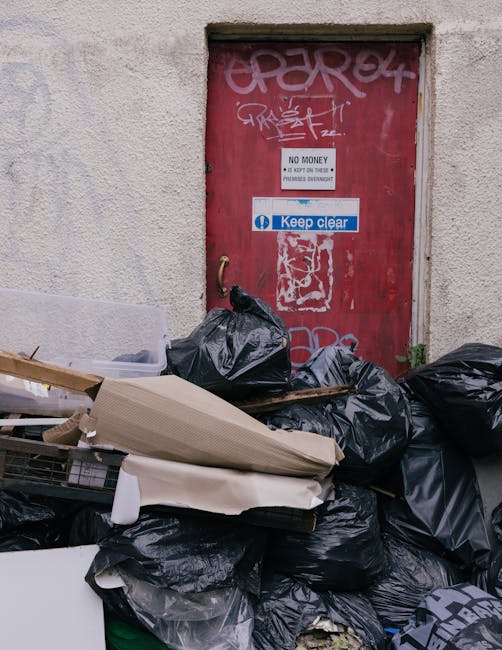

 Tipper Van - Waste Disposal and Waste Clearance Prices in Highbury, N5
 Luton Van - Waste Disposal and Waste Clearance Prices in Highbury, N5

